Your Cart is Empty


Last Updated: October 30, 2026
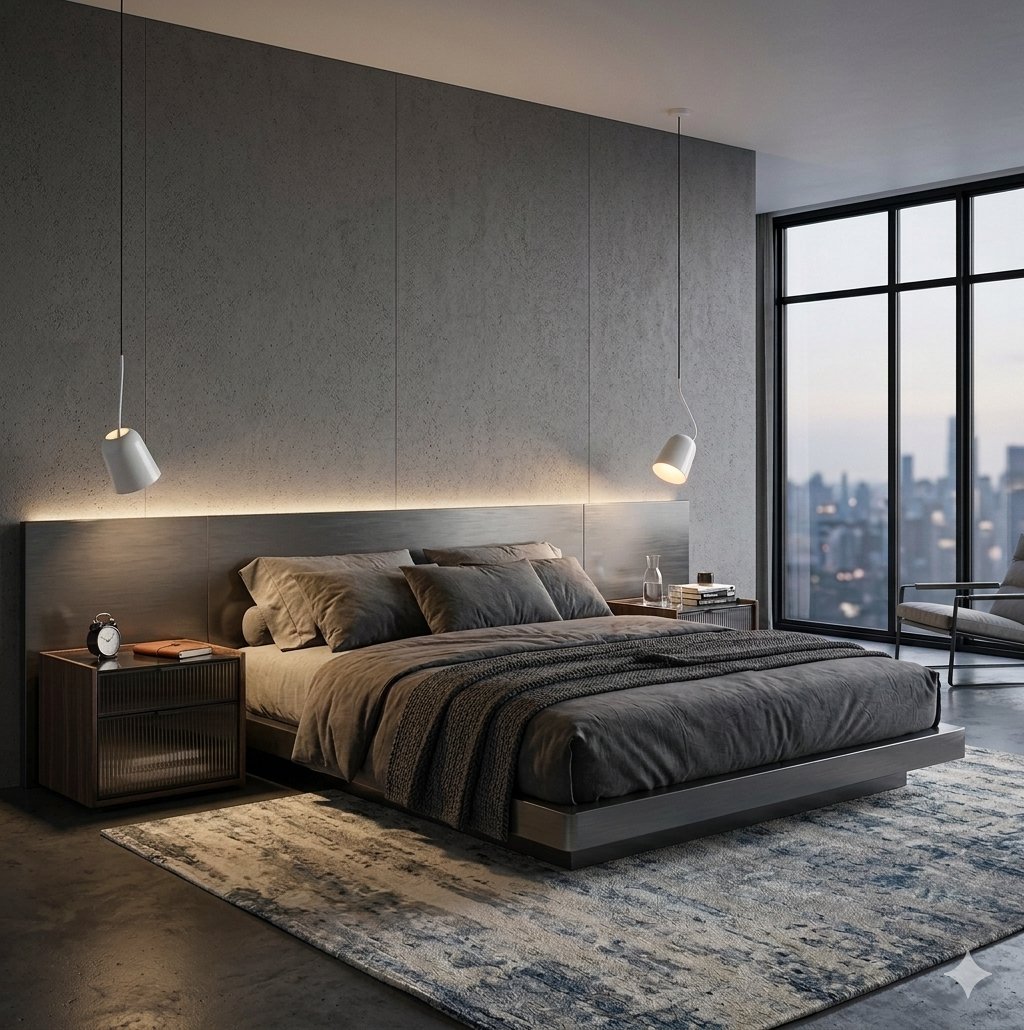
Chatgpt Image Aug 8, 2026, 09 26 05 Am
Quick Summary
Good wall light styling starts with the job the light needs to do, then placement follows: ambient lights sit higher and face upward, task lights sit lower near the action, and accent lights are aimed at what you want to highlight. Treat the standard 1,500-1,700 mm height as a starting point and adjust for your ceiling, fixture and furniture.
Getting wall light styling right starts with one question: what do you need this light to do? At UBERCOOL, we've spent over 16 years helping people answer that before they pick a fixture, because the job decides the placement. Wall lights fall into three groups, and each one wants a different spot on the wall.
Ambient lighting washes a room in soft, general glow. Wall lights doing this job sit higher and often face upward, bouncing light off the ceiling.
Task lighting is for reading, cooking, or working. It needs to land where your hands and eyes are, so it sits lower and closer to the action.
Accent lighting highlights a wall, artwork, or architectural detail. Direction matters more than height here.
Pick the purpose and the rest of the rules get much easier.

Chatgpt Image Aug 6, 2026, 04 26 50 Pm
A good starting point for wall lights is somewhere around 1,500-1,700 mm from the floor to the centre of the fixture. It is not a rule. Placement varies with ceiling height, fixture size, and what sits below the light, so treat any standard number as a first guess and adjust from there.
A practical approach to try:
That tape step saves a lot of patched plaster.
High ceilings pull the eye up, so wall lights can sit a little higher without feeling stranded. As a rough guide, higher ceilings can let the fixture sit a little higher. Low ceilings want them lower, or the light ends up above your line of sight.
Above a sofa, keep the bottom of the fixture at least 1,800 mm from the floor so it clears anyone's head when they stand. On a stairwell, follow the rake of the stairs so the light stays at a consistent height relative to each step, measure from the tread, not the floor.
Room |
Suggested centre height |
Why |
|---|---|---|
Hallway |
1,600-1,700 mm |
Comfortable at eye level, washes the wall |
Living room (ambient) |
1,700-1,900 mm |
Bounces light off the ceiling |
Bedside (reading) |
1,200-1,400 mm |
Lands at shoulder height when sitting |
Bathroom mirror |
1,700-1,800 mm |
Flanks the face, not the crown |
Stairwell |
Follow the rake |
Consistent relative height per step |
These are starting points, not gospel. Your fixture size, ceiling height, and the way you use the room will always have the final say.
Direction changes everything about how a wall light feels. Upward-facing lights throw a soft wash across the ceiling and make a room feel taller and calmer. Downward-facing lights pool light where you need it and create a tighter, more focused mood.
A few general guidelines to keep in mind:
Watch out: an upward-facing light placed too close to the ceiling can create a harsh hot spot. Give it room to breathe, leaving a comfortable gap between the top of the fixture and the ceiling.

Facet White Wall light
Direction sets the mood, but the quality of the light decides whether the room feels warm, crisp, or clinical. Here's what to look for on the box or product page:
It's the kind of detail that makes the difference between a light that just works and one that makes the room.
Spacing is where good wall light styling quietly succeeds or fails. A single wall light looks deliberate. Two badly spaced ones look like a mistake.
For a pair flanking a bed, mirror, or artwork, measure from the centre of the feature outward and keep both gaps identical. Symmetry reads as intentional, even when the room itself isn't perfectly symmetrical.
For a run of wall lights along a hallway, keep the gaps even and stop short of the corners. Cramming one into a tight corner rarely looks right.
A simple check: stand at the far end of the room and squint. If one gap looks noticeably wider, it probably is.
Living rooms need layers: overhead light for general brightness, wall lights for atmosphere, and lamps for close-up tasks. Wall lights earn their place by adding warmth at eye level without eating floor or table space.
The trick is restraint. Two well-placed wall lights beat five scattered ones every time. Put them where they frame a focal point, like a fireplace, a piece of art, or a favourite chair. Keep the finish consistent with your other metals, or deliberately mix no more than two.
The Luma Wall light suits this job well. Its dual light source throws a soft, layered glow that highlights a room's design without shouting.
Bedside wall lights free up your bedside table and give each person their own pool of light. For reading, mount the light slightly above shoulder height when sitting up, and angle it toward the page rather than into your eyes.
Symmetry matters here more than anywhere else. Matching fixtures at matching heights on both sides of the bed look calm and considered.
The Mumu White wall light swivels 160 degrees, so you can aim it at a book and then turn it away when you're done. It also comes as the Mumu wall light in black if your scheme leans darker.

Hardwired wall lights look cleaner because there's no cord to hide. Plug-in versions are easier to add later without touching the wall, which suits renters and quick refreshes.
Either way, electrical work in a home needs to be done properly. In New Zealand, electrical installation work is regulated, and work on fixed wiring should be carried out by a licensed electrical worker (Getting electrical work done). If you're unsure what your project needs, check the guidance from WorkSafe New Zealand on electrical safety before you start.
For plug-in lights, keep cords tidy and away from walkways. A loose cord trailing across a doorway is a trip hazard, and it looks messy too.
Good wall light styling comes down to purpose, position, and a bit of patience with tape. Get those right and the fixture itself almost chooses itself.
If you'd like a hand narrowing the options, our guide on why choose curated designer lighting fixtures walks through what to look for before you commit. You can also talk to us directly. Pete Farrelly brings lighting design experience and a background in film production design, which shapes how we think about light, shadow, and atmosphere.
Most wall lights sit somewhere between 1.5 and 1.8 metres from the floor, measured to the centre of the fixture. That range works for hallways and general wall washing, but treat it as a starting point rather than a rule. Beside a bed, you want the light roughly at shoulder height when you are sitting up reading. Above a sofa, leave 15 to 20 centimetres between the shade and the sofa back. Tape the position on the wall first and stand back to check it before you commit.
Upward-facing wall lights throw light at the ceiling and bounce it back into the room, which softens shadows and makes a space feel taller. Downward-facing lights concentrate illumination where you need it, so they suit reading nooks, hallways, and anywhere you want a pool of useful light. Dual-source designs like the Luma Wall Light give you both effects at once. Think about what the wall is doing: a dark ceiling benefits from upward light, a hallway benefits from downward.
In small rooms, yes. A well-spaced pair of wall lights can carry a hallway, entryway, or compact bedroom on their own. In larger living areas they work better as part of a layered scheme alongside ceiling or floor lighting, because wall lights alone tend to leave the middle of a big room dim. If you want wall lights to do the heavy lifting, choose a larger fixture with a dual light source and place them on two or more walls rather than one.
Not necessarily, but they should relate. A matching pair either side of a bed or mirror reads as calm and symmetrical, which is usually the safer choice in bedrooms and bathrooms. In a living room or hallway you can mix finishes, for example matt black with brushed steel, as long as the shapes share something in common, like clean lines or a similar scale. Keep the light colour consistent across the room so the scheme still feels cohesive.
Wall light styling rewards a little planning and a willingness to test before you drill. If you'd rather skip the guesswork, UBERCOOL can help. We offer a personally selected range of wall lights, expert lighting advice built on over 16 years in business, and fixtures chosen for both looks and function. Get started with UBERCOOL and find the wall lights that make your rooms feel finished.


